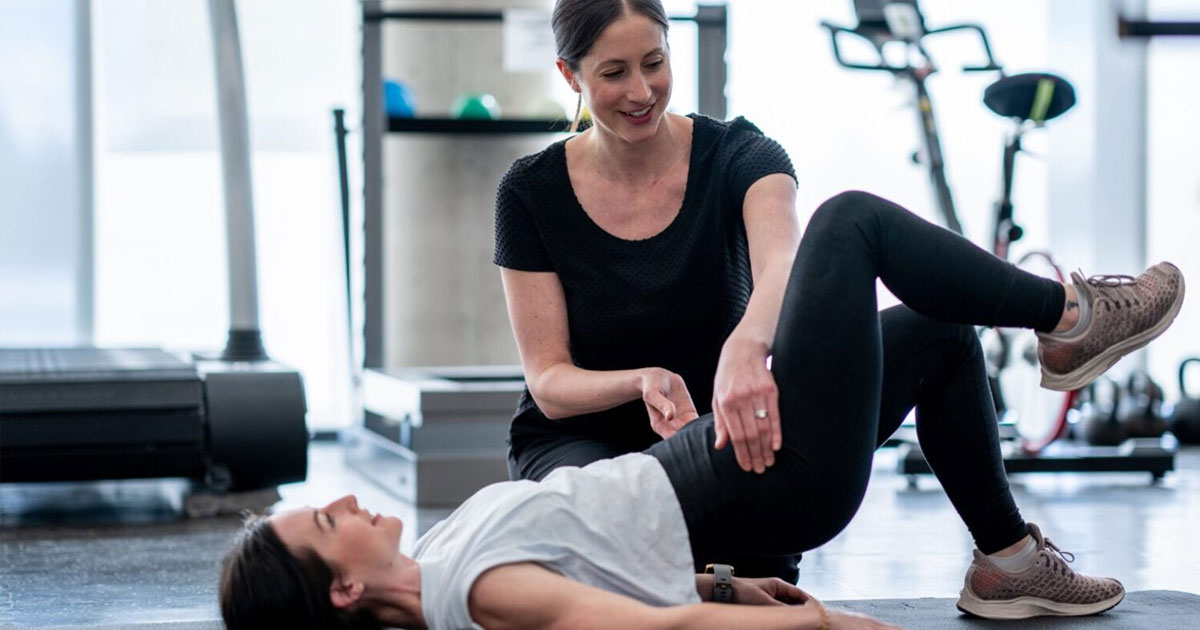
The Power of Strength Training for PCOS
Polycystic Ovary Syndrome (PCOS) is one of the most common hormonal conditions affecting women, yet it is often misunderstood. Symptoms can include irregular menstrual cycles, insulin resistance, weight changes, acne, excess hair growth, fatigue, and difficulty managing energy levels. While medication and nutrition play important roles in management, exercise is a powerful and evidence-based tool for improving symptoms and long-term health outcomes.
Why Strength Training Matters for PCOS
PCOS is commonly associated with insulin resistance, which can make it harder for the body to regulate blood glucose levels. This can contribute to weight gain, fatigue, and increased risk of type 2 diabetes and cardiovascular disease.
Strength training helps address these underlying mechanisms by:
- Improving insulin sensitivity and glucose uptake
- Increasing lean muscle mass and resting metabolic rate
- Supporting hormonal balance
- Improving body composition without extreme calorie restriction
Is Strength Training Safe With PCOS?
Yes! Strength training is safe and recommended for women with PCOS when appropriately prescribed. The current Australian guidelines encourage individuals with PCOS to aim for two non- consecutive days of strength training per week, alongside 150 to 300 min of moderate-intensity or 75 to 150 min of vigorous-intensity aerobic activity per week.
Research shows that strength training improves insulin sensitivity, reduces abdominal fat, and enhances quality of life in women with PCOS, regardless of changes in body weight. Strength training can be performed using free weights, machines, resistance bands, or bodyweight exercises, and should be progressed gradually.
Why Work With an Accredited Exercise Physiologist?
PCOS is a complex condition, and symptoms and exercise tolerance can vary significantly between individuals, requiring individualised exercise prescription. Accredited Exercise Physiologists (EPs) are trained to design evidence-based programs for women managing hormonal and metabolic conditions.
An EP can:
- Tailor strength training to improve insulin sensitivity
- Adjust training volume and intensity based on fatigue and recovery
- Support long-term adherence, rather than short-term fixes
- Work alongside GPs, dietitians, and other allied health professionals
Strength training is not a quick fix, but when performed consistently, it can significantly improve PCOS symptoms, metabolic health, and overall wellbeing. Combined with appropriate nutrition, sleep, and medical support, exercise becomes a sustainable tool for managing PCOS across all stages of life.
References:
Benham, J. L., Yamamoto, J. M., Friedenreich, C. M., Rabi, D. M., & Sigal, R. J. (2018). Role of exercise training in
polycystic ovary syndrome: a systematic review and meta‐analysis. Clinical obesity, 8(4), 275-284.
Cavalcante, D. C. B., Scandolara, T. B., Kogure, G. S., Rodrigues, C., Verruma, C. G., Moraes Filho, M. O. D., ... & Furtado,
C. L. M. (2025). Effects of physical activity in women with polycystic ovary syndrome: a systematic review and
meta-analysis. Revista Brasileira de Ginecologia e Obstetrícia, 47, e-rbgo56.
Sabag, A., Patten, R. K., Moreno-Asso, A., Colombo, G. E., Bouzo, X. D., Moran, L. J., ... & Teede, H. J. (2024). Exercise in
the management of polycystic ovary syndrome: A position statement from Exercise and Sports Science Australia.
Journal of Science and Medicine in Sport, 27(10), 668-677.
Wang, L., Liu, K., Wang, G., & Yang, L. (2025). Effects of Exercise Interventions on Women With Polycystic Ovary
Syndrome: A Systematic Review and Meta‐Analysis. Nursing & Health Sciences, 27(3), e70209.
